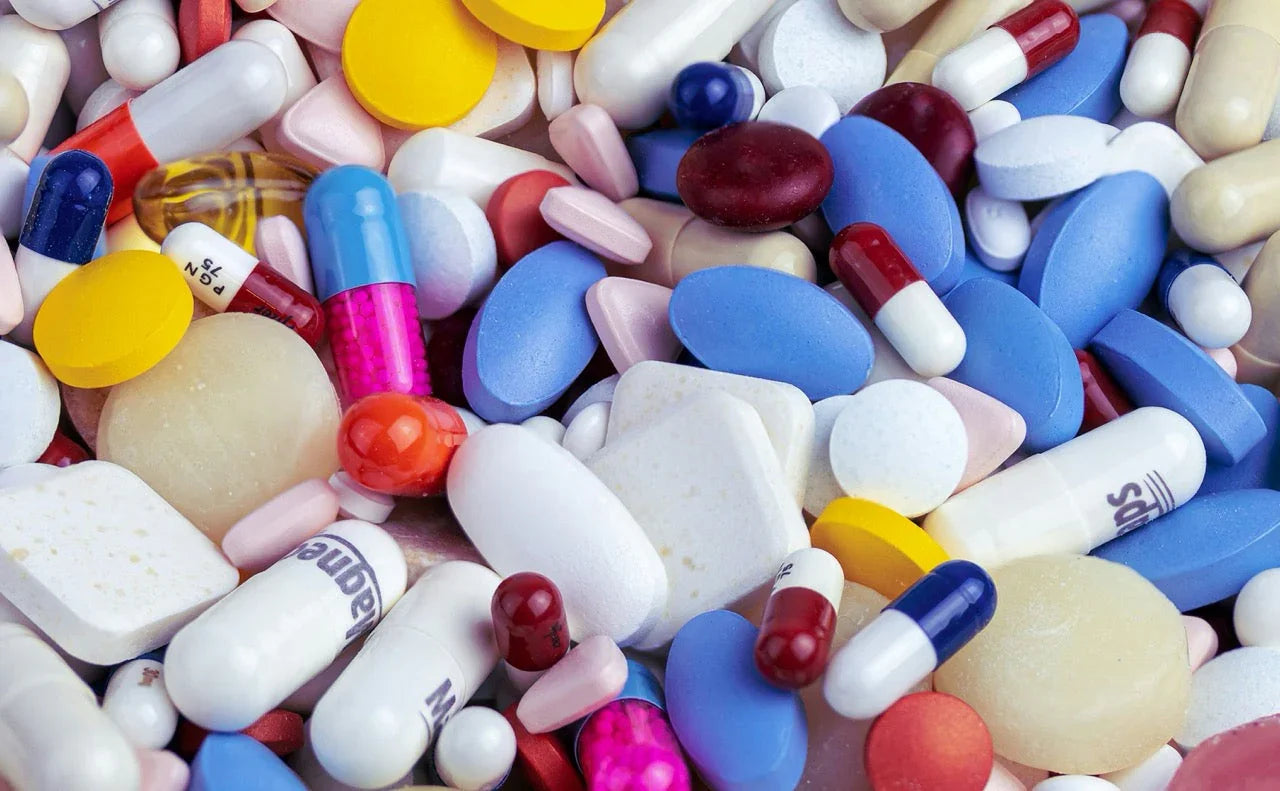
Let's be honest: " Legal highs " sounds "easy," like a stress-free wellness shortcut. In reality, it's more like mystery snacks at the convenience store: cool packaging, big name, unclear ingredients. And the legal situation is constantly evolving. In Germany, the New Psychoactive Substances Act (NpSG) has changed the game: instead of endlessly adding individual substances to the list, entire groups of substances are now prohibited – including their acquisition and possession . That's the framework within which we're speaking plainly.
Key Takeaways – “Are Legal Highs Dangerous?” in 8 Clear Sentences
- Yes – legal highs can be dangerous. “Legal” is a marketing label, not a safety seal. Content, potency, and purity vary massively; in Germany, the New Psychoactive Substances Act (NpSG) regulates many groups of substances and criminalizes, among other things, acquisition, possession, and distribution.
- Focus on high-risk classes: Synthetic cannabinoids (unpredictable effects), stimulant NPS such as cathinones (heart/crash) and new synthetic opioids (Nitazene) dominate current warning situations in Europe.
- The effect curve matters: Faster onset (e.g., vapes /liquids) increases the risk of overdose; comedown/after-effects such as restlessness, insomnia, or low mood are common.
- Mixing substances multiplies risks: Combinations (stimulant + sedative), alcohol or QT-active drugs greatly exacerbate complications; “polysubstance” trends are increasing.
- Quality is roulette: Mislabelling/adulteration has been documented – e.g., “cannabis” products or edibles with synthetic cannabinoids, as well as MDMA products with cathinones.
- Law & Driving: Since August 22, 2024 , a THC limit of 3.5 ng/ml in blood serum has been in effect in Germany. Section 24a of the Road Traffic Act (StVG) continues to apply to other drugs/NPS; the decisive factor remains fitness to drive .
- Long-term relevant: Tolerance/dependency patterns, mood swings, cognitive deficits and social consequences (driving license/MPU, education/job) are realistic risks.
- Stay better informed: Check primary sources (Federal Law Gazette, laws on the internet, EU drug agency) and document changes – forums or shop blogs are not official sources.


What are "legal highs" – and why is the term misleading?
" Legal highs " is not a scientific term, but a marketing ploy for new psychoactive substances (NPS) . These include powders, liquids, "herbal mixtures," and gummies – sometimes labeled as "bath salts" or "room odorizers." Problem areas:
- “Legal” is temporary: Today a loophole, tomorrow closed by the NpSG – and on a group basis.
- Label ≠ contents: Batch-to-batch variations in formulation are common; identical names do not mean identical substances. EU reports show increasing mixing and relabeling .
Dangerous here means: medically (acute/chronic), legally (penalties, driving) and socially (driving license, education, jobs).
How can "dangerousness" be reliably assessed?
Three axes are sufficient as a compass:
- Acute: How quickly does the effect occur ( onset ), how steep is the peak , which emergency signals (heart, temperature, seizures, confusion) are documented?
- Medium/long term: Are tolerance / dependency patterns , cognitive low energy, and mood dips developing?
- Context: Fitness to drive , law (NpSG/BtMG), drug tests – plus personal factors (sleep, medication, pre-existing conditions).
What is advertised as soft can really hit hard – especially if the onset is ultra-fast, redosing occurs, and mixed consumption is involved.
Which legal high classes are frequently mentioned – and what are their typical dangers?
Why are synthetic cannabinoids considered more unpredictable than THC ?
They can have a stronger and more abrupt effect on the CB1/CB2 system than classic THC. EU reports mention new (semi-)synthetic cannabinoids , sometimes found in edibles, with cases of poisoning , even among adolescents. The spectrum of effects ranges from panic/anxiety and circulatory spikes to, rarely, seizures .
Quick note: "Looks like weed" doesn't mean it is weed. The EU Drugs Agency explicitly warns against adulterated cannabis products containing synthetic cannabinoids.
What are the risks associated with stimulant NPS (cathinones)?
Drive → Talkativeness, alertness, focus. Afterwards: Crash → Irritability, insomnia , low mood. Medical: Cardiovascular , hyperthermia , dehydration. Market picture: In 2023, large quantities of cathinone precursors or cathinones were registered across Europe; there are also indications that MDMA is sometimes cut with cathinones .
What do psychedelic NPS (tryptamines) look like?
The quality of the experience depends heavily on set and setting . Risks include anxiety spikes and disorientation ; rarely, serotonin syndrome (especially in combination with serotonin-active substances/medications). The evidence remains heterogeneous – caution is advised when transferring experiences from classic psychedelics to new derivatives.
What about dissociatives (arylcyclohexylamines)?
Typical symptoms include: decoupling (body/environment), impaired motor skills, and a feeling that "everything seems far away." In risky settings, the danger of accidents increases; high doses can severely impair perception and orientation.
Why do sedating NPS ("downers") pose particular dangers?
Risk Map: Respiratory depression , rebound insomnia , tolerance . Of particular concern: Nitazene – sometimes extremely potent, appearing as an adulterant or under false labeling. EU situation reports and media reports warn of overdoses /deaths associated with these new opioids. Reuters
How do onset, peak and comedown affect the risk – and why is “fast” problematic?
- Onset: Inhalation/vapes/sprays = very fast . Adding more before the actual peak occurs often results in an overdose .
- Peak: The steeper the slope, the more anxiety/heart palpitations and misjudgments.
- Comedown: Especially with stimulant and cannabinoid NPS, restlessness , low mood , and insomnia are common – often lasting longer than expected.
Which acute warning signs are critical – and when does it become a medical issue?
Physical (Red Flags):
-
Chest pain , persistent rapid heartbeat , high blood pressure , cramps , overheating
Psychological (Red Flags): - Panic with loss of control, severe confusion , hallucinations with misperception of danger
If several flags are present: emergency . Have the following information readily available for emergency services (without faking): possible product name , time since ingestion , other substances/medications , known pre-existing conditions . This will expedite treatment – legal considerations are a separate issue.


Why is mixing substances so insidious – and which combinations are a no-go?
- Push-pull ( stimulant + sedative ): One masks the other until both tip over.
- Alcohol + NPS: Distorts risk perception; breathing/heart rate increase.
-
QT-active drugs + NPS: Increase rhythm risks .
Europe is generally seeing more polysubstance use – intentionally or unintentionally (adulterations).
How great is the risk posed by mislabeling, adulterants, and potency fluctuations?
Very large. Among others, the following are documented:
- Cannabis-like products → contain synthetic cannabinoids (including edibles).
- MDMA products → contain cathinones (or other stimulant mixes).
In short: Label ≠ laboratory . This is one of the main reasons why "legal" in the name says nothing about safety .
What are the possible long-term consequences – physical, psychological, social?
- Body/Mind: Tolerance , craving loops, irritability, sleep debt , mood swings; sometimes cognitive deficits during crash phases.
- Social: Driving licence/MPU , absences from education/job, conflicts in the environment.
- Overall picture: Europe reports high availability , strong potentials and more hybrid forms – all factors that fuel long-term risks.
What are the legal implications – and why do rules change so quickly?
Germany is pursuing a two-pronged approach:
- NpSG (since 2016): Prohibitions on groups of substances ; prohibits, among other things , acquisition, possession, placing on the market, manufacture, import/export/transit, and administration . Penal provisions apply primarily to the handling of substances intended for further distribution.
- BtMG : Individual listings (Annexes I–III) of classic drugs.
Because manufacturers are chemically "evading" the problem, legislators are responding with updates (drafts, Federal Council/Federal Parliament, publication in the Federal Law Gazette). Always check the official status – not in forums.
Are legal highs detected in drug or workplace tests – and what really counts in road traffic?
- Drug tests: Standard panels do not detect every NPS; specialized analysis is often necessary. Legally, impairment remains the decisive factor.
- Road traffic: Since August 22, 2024, a THC limit of 3.5 ng/ml in serum has been in effect (§ 24a StVG). For other drugs/NPS, § 24a StVG and criminal law provisions continue to apply; mixed consumption (alcohol + THC) is also explicitly addressed.
Consequences (examples): Fines, driving ban, penalty points; significantly harsher in case of repeated offenses or endangerment. Details depend on the individual case.

“Legal = safe”, “plant-based = harmless”, “forums = facts” – is that ever true?
- “Legal = safe”: No. The NpSG exists precisely because new chemistry is not automatically safe.
- “Plant-based = harmless”: Nature can be extremely potent (and toxic).
- “Forums = Evidence”: Anecdotes are not verified data. For situational awareness , the EU Drugs Agency and official sources are more reliable.
What legal, low-risk alternatives provide relaxation, focus, or sleep – without a "high"?
Think about goals, not substances:
- Breathing exercises (e.g., prolonged exhalation, 4-7-8): immediate downshift for pulse and head.
- Mindfulness in short formats (10–12 minutes daily): Strengthen stimulus filters, break rumination loops.
- Sleep basics (morning light, 18–19 °C, fixed times): more energy, less irritability.
- Exercise (walks, light strength training): improves mood, reduces stress.
It's not spectacular, but it 's reliable – and legally sound. Anyone who consumes product information should read it critically: clear ingredient lists , lab reports , no health claims .
How can I stay reliably informed – and filter out rumors?
- Primary sources first: Laws on the Internet (NpSG/BtMG, Annexes), Federal Ministry of Health (BMG pages on the NpSG, Cannabis FAQ), Federal Law Gazette (Promulgation/Entry into force), EU Drugs Agency (EUDA) – European Drug Report , NPS sections, EWS guidance.
- Laws on the Internet (NpSG/BtMG, Annexes),
- Federal Ministry of Health (BMG pages on the NpSG, Cannabis FAQ),
- Federal Law Gazette (Promulgation/Entry into force),
- EU Drugs Agency (EUDA) – European Drug Report , NPS sections, EWS guidance.
- Documentation: Save the permalink, note the date/time, take a screenshot of the relevant paragraph – done.
- Healthy skepticism: If no source, no fact. No official evidence = just an assertion.
Are legal highs inherently dangerous – yes or no?
Yes, potentially. Formulations, potency, and purity vary; documented acute/long-term risks plus a dynamic legal situation.
Which classes are considered particularly risky – and why?
Synthetic cannabinoids (unpredictable), cathinones (heart/crash), nitazene (extremely potent) – all with reported incidents in EU situation reports.
Are legal highs reliably detected in drug tests?
Not always; many NPS require specialized analysis. In traffic, impairment is the determining factor, possibly requiring a blood test.
What are the driving rules – in one sentence?
The limit for THC is 3.5 ng/ml (since August 22, 2024); for other drugs/NPS, see Section 24a of the Road Traffic Act. Mixed consumption (alcohol + cannabis) remains clearly problematic.
What are better alternatives for chilling/sleeping/focusing without legal stress?
Breathing exercises, mindfulness, sleep basics, movement – simple routines, replicable, without roulette.


A brief explanation of our stance (Happyflower tone, but no sales)
We're here to provide information , not drama. No how-to guides, no miracle cures. Our goal is for you to understand how the market works, where the real risks lie, and how to read reliable sources . When you read anything about substances, ask yourself three questions: Who says so? Where is this officially documented? And what happens in traffic? – this will save you trouble, time, and sometimes a lot of stress.







Share:
The effects of legal highs: What do "legal highs" really do – and what is important?
CBD and THC for stress in the body