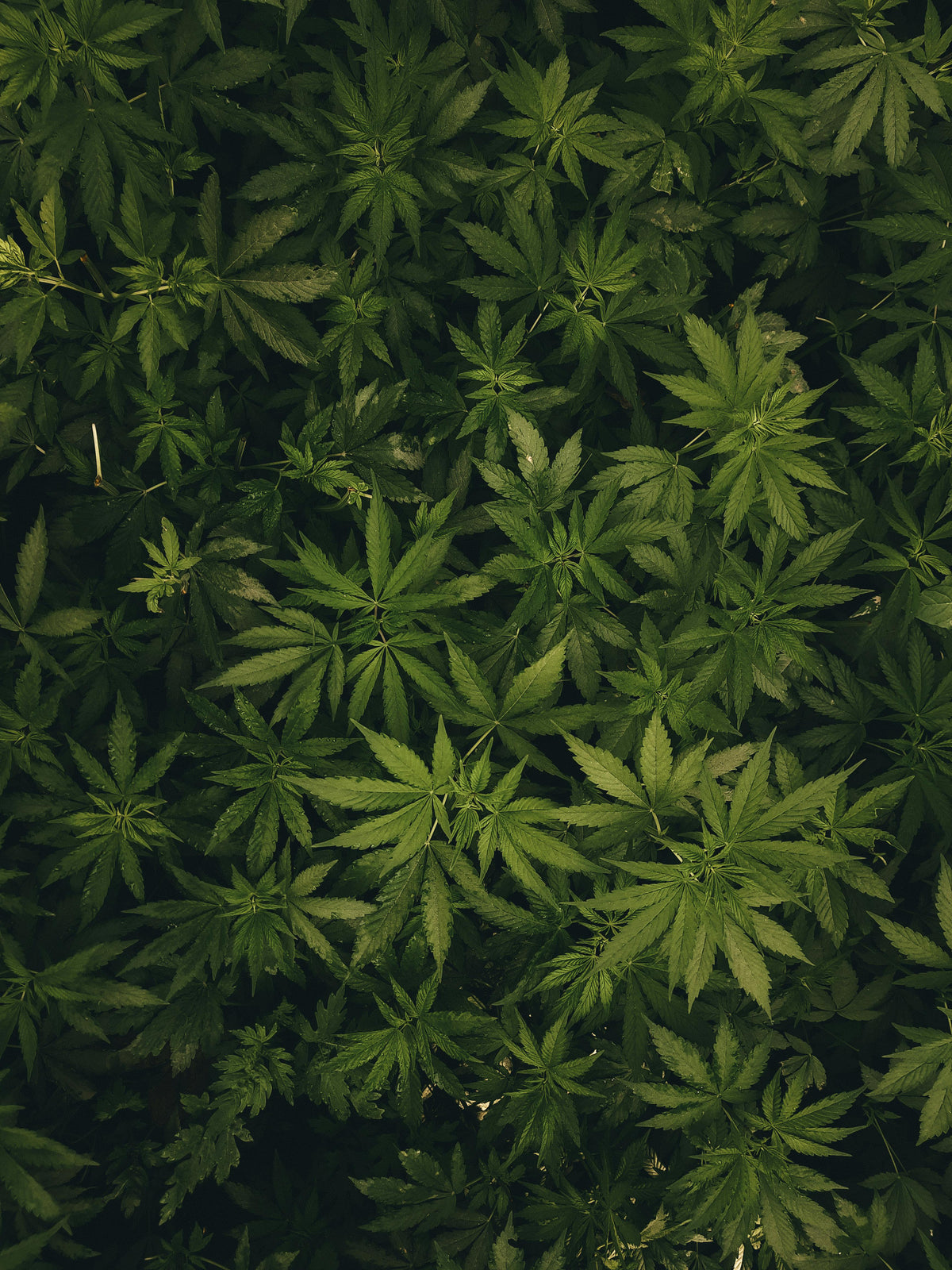
The year 2026 marks a turning point for legal high products. Since the Europe-wide debate surrounding cannabis regulation, synthetic cannabinoids, novel food laws, and digital smartshop markets, the question of what constitutes a legal high has fundamentally changed. Consumers are seeking alternatives that are clearly defined, scientifically verifiable, and legally stable. At the same time, new cannabinoids are emerging that neither fit into classic THC structures nor fall under narcotics legislation. These substances open up new avenues for experiencing a high that is psychoactive but not illegal.
But what does "legal" mean in 2026? And what does "high" mean in a market that's moving from gray-market experiments to regulated, analytically tested products? Many consumers report using products like HHC, H4CBD, or PHC because they create a feeling of relaxation without crossing into illegal territory. At the same time, authorities, scientists, and consumers are observing how mechanisms of action, safety standards, and legal frameworks are shifting. The desire for alternatives remains strong, but the quality of information has long been neglected.
Happy Flower, which has established itself as a premium shop for cannabinoids, edibles, vapes and smartshop products, follows a clear quality approach in this context: transparent lab reports, tested purity, fairly priced products and the possibility to Buy CBD , Buying HHC , selecting high-quality vapes , or discovering modern smartshop innovations. But even with clear structures, the responsibility remains with each individual consumer – and the year 2026 shows that informed decisions are more important than ever.


Key Takeaways
- By 2026, legal high products will evolve into clearly defined, analyzed, and structurally tested cannabinoid derivatives that can produce psychoactive effects without falling under narcotics legislation.
- H4CBD, PHC , HHC and 10-OH-HHC are among the molecules that are expected to remain legal because they are chemically distinct from THC and their toxicological effects have become more predictable.
- The effects of legal cannabinoids differ biochemically significantly from those of THC: weaker CB1 binding, allosteric modulation, metabolic activation, or CB2-dominated effects.
- In 2026, purity will be more crucial than intensity. The greatest risks will arise from unsanitary manufacturing processes – not from the cannabinoids themselves.
- Laboratory analyses (COAs) are the key quality indicator. Products without a verifiable cannabinoid, terpene, and purity profile should not be consumed.
- Dosage requires awareness and experience. Start slowly, take metabolic delays into account, and observe individual sensitivity.
- The legal framework remains in flux, but stable molecular architecture and robust toxicological data increase the chances of legal stability.
- Smartshop products will complement the spectrum of legal highs in 2026 , often with functional, sensory-enhancing or mood-modulating effects without classic psychoactivity.
- HappyFlower focuses on transparency, purity and fair prices , enabling consumers to make informed decisions – whether buying CBD , HHC or modern vapes .
- A legal high remains a conscious decision. Even legal molecules can affect perception and motor skills and should be consumed responsibly.
- 1. Key Takeaways
- 2. Legal high products in 2026: Why the market is reorganizing
- 3. What actually constitutes a legal high?
-
4. The most important legal high products of 2026 – scientifically explained
- 4.1 H4CBD: A hydrogenated cannabinoid with a special profile
- 4.2 HHC : The molecule that changed the discussion
- 4.3 10-OH-HHC : The calmer, smoother variant
- 4.4 PHC : A prodrug-like approach
- 4.5 Legal smartshop innovations beyond classic cannabinoids
- 4.6 Why purity will determine the future of legal cannabinoids in 2026
- 5. How will legal high products work in 2026? A biochemical perspective
- 6. How do you safely dose legal high products?
- 7. Risks of legal high products in 2026
- 8. The legal situation in 2026: What will remain legal and why
- 9. What you should pay attention to when buying legal high products
- 10. The Happy Flower Quality Approach 2026
- 11. Legal High Products 2026 – A Market Between Science, Regulation and Conscious Choice
- 12. Frequently asked questions (FAQs)

Legal high products in 2026: Why the market is reorganizing
The term "legal high" seems paradoxical at first glance, but ultimately it only describes a chemical and regulatory state, not a moral judgment. Crucially, the molecules in question do not contain prohibited structures, are not subject to narcotics laws, and have been sufficiently researched not to be classified as an immediate danger. In 2026, a market will emerge that attempts to define precisely this gray area more clearly.
Four developments define this new reality:
- The legalization debate surrounding THC has led many consumers to try alternatives before clear regulations were adopted.
- New cannabinoid derivatives such as H4CBD, PHC or 10-OH-HHC offer mechanisms of action that differ significantly from classic synthetics and are closer to botanical processes.
- Lab-based quality standards are becoming the norm: Without analytical traceability, a product loses its legitimacy.
- European regulations are increasingly coming into focus: Novel food requirements, toxicological assessments and structural legal analyses demand more precise definitions.
In this complex situation, several legal high products have emerged that could maintain a stable base in 2026 – provided that their chemical profiles and mechanisms of action are demonstrably safe enough for a regulated market.
What actually constitutes a legal high?
A legal high is produced by molecules that induce psychoactive or sensory-altering effects without possessing the structural characteristics of classified illegal substances. Three conditions must be met for this to occur:
- The chemical structure must not correspond to any legally prohibited cannabinoid.
- The molecule must be toxicologically acceptable – that is, it must not trigger any acutely dangerous reaction mechanisms in the body.
- Production must be traceable and clean , which will be more strictly controlled through laboratory analyses from 2026.
From a scientific perspective, a high occurs when active substances interact with the endocannabinoid system or indirectly modulate neurotransmitters. Many legal cannabinoids affect CB1 receptors less strongly than THC; some almost completely bypass this receptor and act instead at secondary binding sites or via allosteric mechanisms.
Example:
H4CBD, one of the most interesting molecules of 2026, binds only weakly to CB1 receptors, yet possesses properties that many users describe as calming, soothing, or mildly euphoric. This sensation arises from changes in receptor sensitivity, not from classic THC-like activation.
PHC, in turn, produces effects that are closer to THC because, after metabolic conversion, it partially acts on CB1 – but without having the same structural formula as THC.
This creates a new category of psychoactive, but legally defined, cannabinoid derivatives.
The most important legal high products of 2026 – scientifically explained
H4CBD: A hydrogenated cannabinoid with a unique profile
H4CBD is one of the molecules that will likely still be around in 2026 because it is chemically distinct from THC and simultaneously produces a gentle, relaxing experience. It is created through the hydrogenation of CBD, similar to the hydrogenation of plant oils. Its binding to CB1 receptors is weak, but not insignificant: many users report mild euphoria, heightened body awareness, and a feeling of inner "softness" that does not, however, tip into a strong psychoactive effect.
From a regulatory point of view, H4CBD is particularly interesting because it can be structurally clearly assigned to CBD, but still possesses psychoactive properties – an unusual finding that is also receiving a great deal of attention from a research perspective.
HHC : The molecule that changed the discussion
Hexahydrocannabinol (HHC) was the best-known legal cannabinoid before individual countries began regulating it more intensively. In 2026, HHC will remain legal in some EU countries, while in others it will be strictly classified, depending on isomeric profiles and manufacturing processes. In Germany, the requirement remains that each case be assessed individually, particularly in connection with HHC acetates and HHC derivatives.
From an active ingredient perspective, HHC is a hydrogenated THC analogue that acts directly on CB1 receptors – though often less strongly than Δ9-THC. Many users report a high that is less chaotic, clearer, and less physically taxing. However, risks exist: an excessive dose can lead to overstimulation, fatigue, or a temporary increase in heart rate. The crucial factor is purity: residues from the hydrogenation process, not the molecule itself, are the toxicological focus.
HappyFlower therefore relies heavily on analytically tested HHC formats. When buying HHC , it is important to review lab reports, identify a clean isomer profile, and not accept any unexplained residues.
10-OH-HHC : The calmer, smoother variant
10-OH-HHC is produced metabolically from HHC, but can now also be synthesized directly. This molecule has a smoother and less abrupt effect. Many users describe it as a more "balanced" variant that produces less confusion, yet still delivers a clearly noticeable psychoactive sensation.
Biochemically relevant is that 10-OH-HHC acts more strongly via CB2 receptors, thus producing a less intense head high, but instead relaxing body sensations.
PHC : A prodrug-like approach
PHC (tetrahydrocannabiphorol hexylcarboxamide) is among the molecules considered particularly promising in 2026 because, after absorption, it is converted into an active form that possesses THC-like properties without actually being THC. This means that the psychoactive effect only develops in the body, not beforehand. This mechanism is reminiscent of pharmacological prodrugs, which convert inactive molecules into active metabolites.
PHC often produces a warm, clear, mildly euphoric high that is less chaotic than strong synthetic substances. Many users describe it as a "gentle THC relative," without the typical heaviness that THC can produce in high doses.


Legal smartshop innovations beyond classic cannabinoids
By 2026, a growing market exists for functional high products that are not based on cannabinoid structures but can still produce states of relaxation, focus, or mild alterations in perception. These include adaptogenic mushrooms (without psychoactive tryptamines), functional herbal formulas, and terpene-based profiles that generate sensory intensity without directly activating psychoactive receptors.
These areas increasingly overlap with the smartshop market, which offers products that are neither THC-based nor synthetic, but are based on the natural interaction of plant substances, terpenes, flavonoids and essential oils.
Why purity will determine the future of legal cannabinoids in 2026
Many risks associated with legal highs arise not from the molecules themselves, but from manufacturing processes. Hydrogenation reactions, catalytic processes, or the use of solvents can leave residues that are undesirable or toxicologically unclear. For this reason, lab reports, purity certificates, and chromatographic analyses are becoming key quality criteria.
HappyFlower follows a clear principle: only products whose chemical profile is fully traceable are included in the product range. This creates a new culture of transparency that could be groundbreaking for the entire market.

How will legal highs work in 2026? A biochemical analysis.
The effects of a legal high are not caused by a single principle, but by the interplay of various receptors, enzymes, and metabolites in the body. To understand why molecules like H4CBD, PHC, or 10-OH-HHC produce psychoactive or sensory-altering effects, it is worthwhile to take a look at the endocannabinoid system.
This system essentially consists of:
- CB1 receptors , which are primarily found in the central nervous system and mediate psychoactive effects
- CB2 receptors , which are more strongly localized in the immune system and influence inflammation-modulating as well as relaxing effects
- endogenous ligands such as anandamide or 2-AG
- Enzymes like FAAH, which break down cannabinoids
THC's effects are produced by a direct and relatively strong binding to CB1 receptors. Legal high products, on the other hand, use alternative pathways: weaker binding, allosteric modulation, or metabolic activation.
H4CBD
H4CBD binds only moderately to CB1 receptors, but has a stabilizing effect on receptor responses. This often leads to a "soft," calming state. Neurobiologically, this can be described as attenuated postsynaptic activation, which nevertheless brings about noticeable perceptual changes.
HHC
HHC is a molecule that is structurally more similar to THC and therefore produces stronger psychoactive effects. CB1 binding is variable, depending on the ratio of the isomers (9R/9S). A higher 9R content leads to a more pronounced head high, while 9S remains milder.
10-OH-HHC
10-OH-HHC has a stronger physical effect and a weaker mental effect because it is involved in CB2-related metabolic processes. The effect is a relaxing reduction in stress, accompanied by a clearer head.
PHC
PHC acts indirectly: metabolites that modulate CB1 receptors are only produced through enzymatic breakdown. The resulting effects are similar to THC, but gentler and less abrupt.
Terpene profiles
Terpenes like myrcene, limonene, and caryophyllene contribute to sensory perception. By 2026, they will be specifically combined to "round out" legal cannabinoids without becoming psychoactive. Myrcene can enhance sedation-like effects, limonene elevates mood, and caryophyllene interacts with CB2 receptors.
How do you safely dose legal high products?
The question of dosage will be crucial in 2026, as the range of psychoactive molecules has expanded considerably. Unlike classic THC, for which experience has existed for decades, legal derivatives are new to many consumers.
However, the basic principles remain:
Start slowly
A legal high can be stronger than expected, especially if receptor binding is more pronounced in an individual. Many users report starting with 1-2 puffs of a vape or choosing amounts between 5 and 15 milligrams of the respective substance when using edibles.
With HHC, PHC, or 10-OH-HHC, much depends on the purity and concentration of the product. A vape can take effect very quickly, while an edible takes 30–90 minutes.
Consider metabolism
Products like PHC or edibles are based on metabolic reactions. The liver converts molecules before they can take effect. This means:
- The effect sets in later.
- she stays longer
- It can be more intense
Many consumers underestimate this effect and redose too soon. Therefore, in 2026, there will be a stronger emphasis on the fact that edibles should be consumed more cautiously than vapes or flower alternatives.
Receptor sensitivity is individual.
Stress, sleep, diet, hormones, and genetic factors influence the intensity of a legal high. Scientifically, this is based on CB1 receptor density, endogenous anandamide levels, and individual FAAH enzyme activity.
Risks of legal high products 2026
No psychoactive substance is risk-free – not even if it is legal. In 2026, research will become a greater focus, especially on hydrogenated and metabolized cannabinoids.
The most significant risks include:
Overdose
Legal cannabinoids can produce unpleasant effects in higher doses, including:
- fast heart rate
- Sweat
- Perceptual acuity or distortion
- fatigue
- mental overload
These effects usually result from excessively high doses or too short intervals between individual consumption phases.
Interactions
Some cannabinoids interact with medications, especially those that affect liver enzymes such as CYP3A4 or CYP2C9. These interactions can delay or accelerate the breakdown of the substances.
Quality risks
The greatest danger of legal high products in 2026 is not the molecule itself, but:
- Residues from hydrogenation processes
- dirty catalysts
- Solvent residues
- untested derivatives
That's precisely why HappyFlower relies on tested products where laboratories confirm purity and structural form. Qualitative differences are real – and they determine whether you have a safe or unsafe consumer experience.

The legal situation in 2026: What remains legal and why
Laws change, but the basic logic remains: Prohibited lists define molecules. If a substance is not chemically prohibited, it does not automatically fall under the Narcotics Act. By 2026, several cannabinoids will be in a stable gray area, but still legal, because:
- they do not form a THC-identical structure
- they do not produce any dangerous synthesis products
- the EU has not yet introduced any specific regulation
- Toxicological data suggest sufficient safety
H4CBD
Structurally similar to CBD, relatively well-documented medically and toxicologically. High chance of remaining legal.
HHC / 10-OH-HHC
The legal assessment is nuanced. Some isomers could be more strictly regulated; others remain legal as long as they are not classified as posing a risk.
PHC
Because it is considered a prodrug and is not THC, but only produces metabolically related effects, PHC will likely remain legal – provided toxicological data support this assessment.
Smartshop products
Since they are not cannabinoid-based and do not contain classic psychoactive structures, they are considered in most cases to be dietary supplements or flavoring products – depending on their composition.
What you should pay attention to when buying legal high products
By 2026, informed consumers will make conscious purchases – and for good reason. The most important factors:
1. Laboratory analyses
A product without a COA (Certificate of Analysis) should not be consumed. Good analyses show:
- Cannabinoid profile
- Terpene profile
- solvent residues
- Heavy metals
- microbiological safety
This is essential when buying CBD , HHC , or choosing new vapes .
2. Transparency of the production chain
Where do the raw materials come from? Are the hydrogenated cannabinoids processed cleanly? Is there information about catalysts? These questions determine quality and safety.
3. Purity over intensity
A strong high is not a sign of quality. A clean high, however, is. Consumers increasingly report in 2026 that a "clear" high with a good feeling in the body is significantly more valuable than a chaotic effect.
4. Clear product categories
- Vapes: fast effect
- Edibles: slow, intense effect
- Flower alternatives: sensory, mildly psychoactive
- Smartshop products: functional, not necessarily exhilarating.
5. Responsible consumption
Legal products are not a free pass. Even legal highs affect your behavior and should not be used in situations where concentration or motor skills are important.
The Happy Flower Quality Approach 2026
Happy Flower follows three principles:
transparency
Each product comes with complete lab reports. The chemical profiles are publicly available, and the manufacturing processes are traceable.
purity
Only molecules with toxicologically acceptable synthesis pathways and clear contamination limits are included in the product range. This protects consumers and sets standards.
fairness
The price is not based on trends, but on actual production costs, laboratory work, and raw material quality. The market in 2026 will be full of overpriced or inferior products – a reputable shop will stand out from the crowd.
Legal high products 2026 – a market between science, regulation and conscious choice
The year 2026 marks a turning point in the history of legal highs. Development is no longer chaotic or trend-driven, but increasingly follows scientific, regulatory, and quality criteria. What was once a fleeting hype on social media is now an independent market that is becoming more professional and differentiated. Consumers expect more than just "any old legal high." They demand transparency, traceable biochemical mechanisms, legal clarity, and an experience untainted by impurities or uncontrolled synthesis processes.
Legal cannabinoids like H4CBD, HHC, 10-OH-HHC, or PHC will, by 2026, represent a spectrum ranging from mild perceptual alterations to clearly noticeable psychoactive effects, without exhibiting classic THC structures. These molecules demonstrate that a high doesn't necessarily have to be illegal, but rather a matter of chemical architecture and regulatory classification. At the same time, they highlight the importance of informed choices: receptor binding, metabolism, isomer ratios, and purity determine the experience—not a manufacturer's advertising claims.
The legal framework remains dynamic, but by 2026 it is becoming clear that molecules that are transparently analyzed, toxicologically sound, and structurally unambiguously identifiable will continue to be permitted. The future will likely be characterized by clear quality standards, not by constant bans. Governments are beginning to understand that differentiated regulation is safer than blanket ban lists – because only what is understood can be effectively controlled.
HappyFlower consciously operates within this new reality: with lab transparency, purity analyses, and the option to buy products like CBD and HHC , select modern vapes , and explore high-quality smartshop products. However, no matter how clearly the standards are defined, responsible consumption always remains your responsibility. A legal high is not a free pass, but rather an offering that demands knowledge and attention.
The future of legal highs will not be decided by chance, but by research, regulation, and conscious consumer behavior. Those who know their own needs, understand the mechanisms of action, and appreciate quality can experience a legal high in 2026 that is both safe and enriching.
1. Which legal high products are considered to be particularly stable under the law in 2026?
By 2026, molecules such as H4CBD, PHC, and some HHC variants are considered relatively stable because they differ significantly from THC chemically and appear toxicologically acceptable. However, this assessment is always made within the context of national regulations and may vary depending on the EU member state.
2. Are legal high products safe for health?
Not automatically. Health safety depends heavily on purity, manufacturing methods, and individual sensitivity. Molecules like H4CBD are considered relatively mild, while HHC and PHC are significantly more psychoactive. In 2026, impurities, not the molecule itself, will pose the greatest risk.
3. How do legal cannabinoids differ from THC?
THC binds strongly to CB1 receptors and produces an intense psychoactive high. Legal cannabinoids like H4CBD or PHC have weaker, more indirect effects or act via alternative receptors. These differences in receptor binding, metabolism, and structure explain why they can remain legal despite producing psychoactive effects.
4. Are legal high products allowed in road traffic?
No. Even if a molecule is legal, it can affect your reaction time, perception, and coordination. Consuming it before or while driving is irresponsible and can have legal consequences if impairment is detected.






Share:
Legal Cannabinoids 2026 – A Comprehensive Guide to Effects, Risks and Legal Situation
How does THCA work? A scientifically sound overview of a misunderstood cannabinoid.