1. From the HHC hype to new cannabinoids: The development
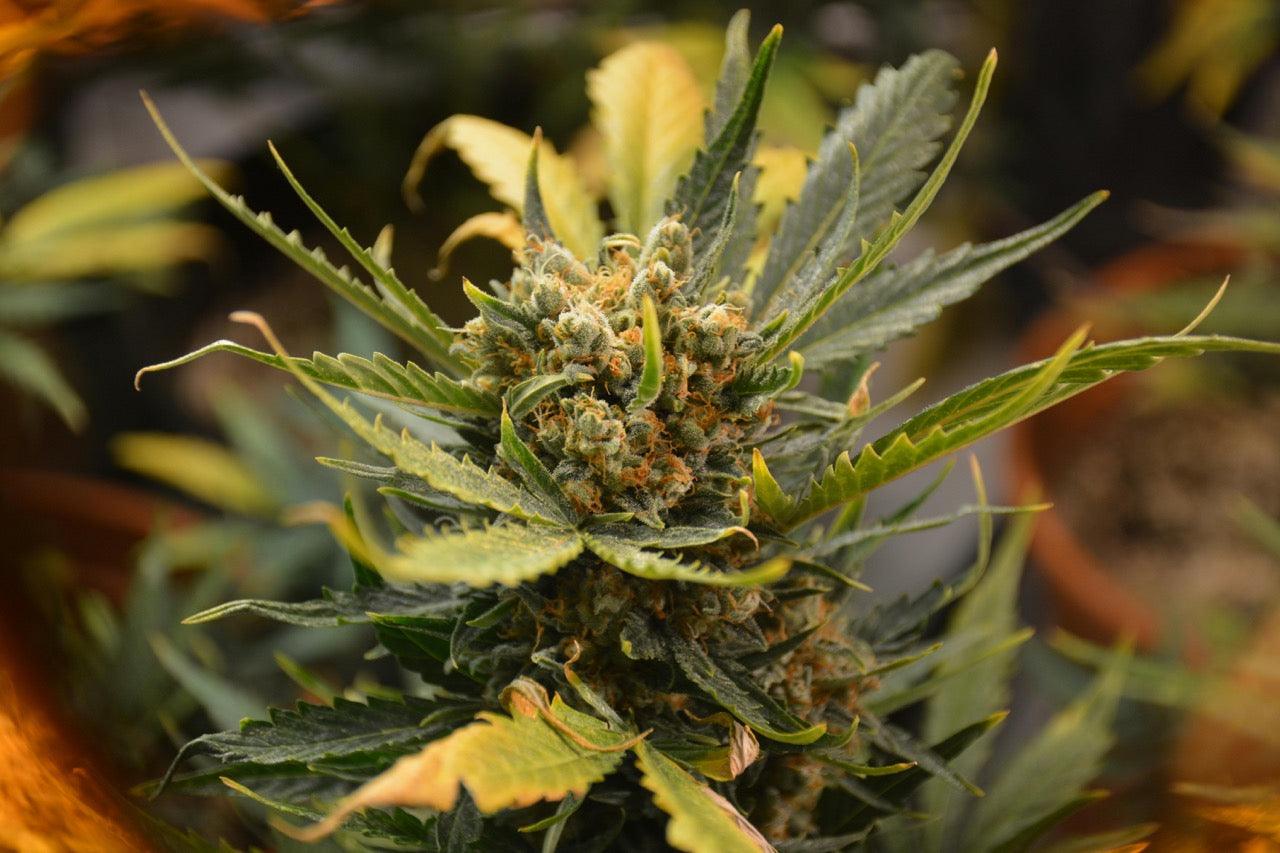
Do you remember when HHC (hexahydrocannabinol) first appeared on the scene? It was the perfect blend of legal status and THC-like effects. Many have described HHC as the "light version" of THC – relaxing, psychoactive, but not as potent as a classic joint.
But the cannabinoid world never stands still. Research and chemistry have shifted into high gear, and compounds like 10-OH-HHC , PHC , and 10-OH-HHCP are now emerging. While HHC remains popular, these new molecules offer exciting alternatives – each with its own unique advantages.
2. What is HHC – and why is it so popular?
HHC is a mildly psychoactive cannabinoid produced by the hydrogenation of THC. This chemical process alters the molecule's structure, making it more stable and ensuring that HHC remains legal in many countries where THC is strictly regulated.
The effect?
- Mildly psychoactive: HHC provides relaxation and a light high without overwhelming you.
- Legal in many countries: Thanks to its chemical differences from THC, HHC often does not fall under the same laws.
- Ideal for beginners: Many users report that they find HHC more pleasant and controllable than THC.
HHC has therefore opened the doors – for everyone who wanted to try something new without directly engaging with THC.
3. 10-OH-HHC: More clarity, less fog
What is 10-OH-HHC?
10-OH-HHC, also called 10HC/10HHC, is a further development of HHC. The chemical structure is modified by the addition of a hydroxyl group (hence the "OH"). This small change results in an altered binding to the receptors in your body – which is reflected in its effects.
How does 10-OH-HHC work?
- Gentler than HHC: Users describe the effect as clearer and less "foggy".
- Calming: Perfect for unwinding after a stressful day.
- Less psychoactive: For many, this is an advantage, as they are looking for relaxation rather than an intense high.
10-OH-HHC is therefore a kind of HHC 2.0 – ideal for those who love the original but want a gentler introduction. Click here for the OG of the 10HC flowers .
4. PHC: The underestimated THC alternative
What is PHC?
PHC (polyhexahydrocannabinol) is another derivative of THC. What's special about it? PHC only takes effect once it's metabolized in the body. It's a kind of "slow starter," but one that lasts longer.
How does PHC work?
- Similar to THC: PHC provides a high comparable to classic THC .
- Slow but intense: It takes longer for the effect to kick in, but it lasts longer.
- Legality: Legal in many countries because it differs chemically from THC.
For THC fans looking for a legally safe alternative, PHC is a real highlight. Click here for our PHC flowers and here for our PHC vapes .
5. 10-OH-HHCP: The king of cannabinoids?
What is 10-OH-HHCP?
10-OH-HHCP is based on HHCP, an already very potent cannabinoid. The additional hydroxyl group makes it even more potent and is said to have a longer-lasting and more intense effect.
How does 10-OH-HHCP work?
- Extremely potent: Not for beginners – the effect is strong and long-lasting.
- For experienced users: Especially popular with those who already have experience with THC, HHC or similar substances.
- From relaxing to intensely psychoactive: depending on the dosage, you can experience it as mild or strong.
Anyone looking for a truly powerful cannabinoid can't ignore 10-OH-HHCP. Here's our favorite strain, Purple Haze .
6. What about H4CBD and THCP?
H4CBD: CBD with a turbo boost – but now banned
H4CBD is a hydrogenated version of CBD. It was supposed to enhance the calming effects of CBD while also being more stable. Sounds like a great idea, right? But the reality is quite different.
- Why is it banned? H4CBD has been banned in many countries because it interferes too much with the natural cannabinoid metabolism and is hardly researched.
- Effect: Less psychoactive than THC, but stronger than classic CBD – a middle ground that appealed to many.
THCP: The Ultra-THC – and the legal gray area
THCP (tetrahydrocannabiphorol) was hailed as the most potent cannabinoid because it binds to cannabinoid receptors up to 33 times more strongly than THC. But this is precisely what made it problematic:
- Intensity: THCP is so strong that it was too much for many users.
- Why is it banned? Many countries have deemed it too risky and banned it – primarily due to a lack of studies.
7. Conclusion: The new generation of cannabinoids
The cannabinoid world continues to evolve. From HHC and 10-OH-HHC to PHC and 10-OH-HHCP – each compound offers its own advantages and addresses different needs. While substances like H4CBD and THCP have now disappeared from the market, the new variants bring fresh impetus and many possibilities.
For you as a user, this means: Do your research, try things out carefully, and focus on quality.






Share:
THC Gummies in 2025: What makes them so special and why are they the new trend?
What is 10-OH-HHC? The new star among cannabinoids.