Cannabis Sativa – a name that immediately conjures up images of dense, resinous buds and a clear, energetic high. This strain has made history, been celebrated, demonized, and ultimately (re)legalized in many countries. But what exactly is behind this iconic plant? Here you'll find everything you need to know.
Table of contents
- 1. Key Takeaways – The most important things about Cannabis Sativa at a glance
- 2. What is Cannabis Sativa and where does it come from?
- 3. How does Cannabis Sativa differ from Indica and Ruderalis?
- 4. What ingredients make Cannabis Sativa special?
- 5. What are the medical effects of Cannabis Sativa?
- 6. Is Cannabis Sativa legal?
- 7. How is Cannabis Sativa grown?
- 8. What forms of consumption are there?
- 9. What are the risks and side effects of Cannabis Sativa?
Key Takeaways – The most important things about Cannabis Sativa at a glance
- Sativa strains deliver a cerebral, creative high – ideal for daytime use.
- The plant has a long history and diverse uses.
- THC and terpenes determine the effect and aroma.
- Cannabis Sativa can offer medical benefits , especially for stress, depression, and chronic pain.
- Laws vary from country to country – always stay up to date.
- Consumption patterns influence the effect – not every path is suitable for everyone.
What is Cannabis Sativa and where does it come from?
Cannabis sativa is one of the three main varieties of the hemp plant (along with indica and ruderalis ). Known for its tall, slender growth habit and narrow leaves, it is the perfect plant for warm climates with long summers.
Origin and distribution
- Originally from Asia and the Middle East, Cannabis Sativa quickly spread to Africa and South America.
- It has been cultivated for millennia, whether for textiles, medical purposes or simply as a luxury item.
- Nowadays, Sativa strains can be found in countless crosses and variations worldwide.

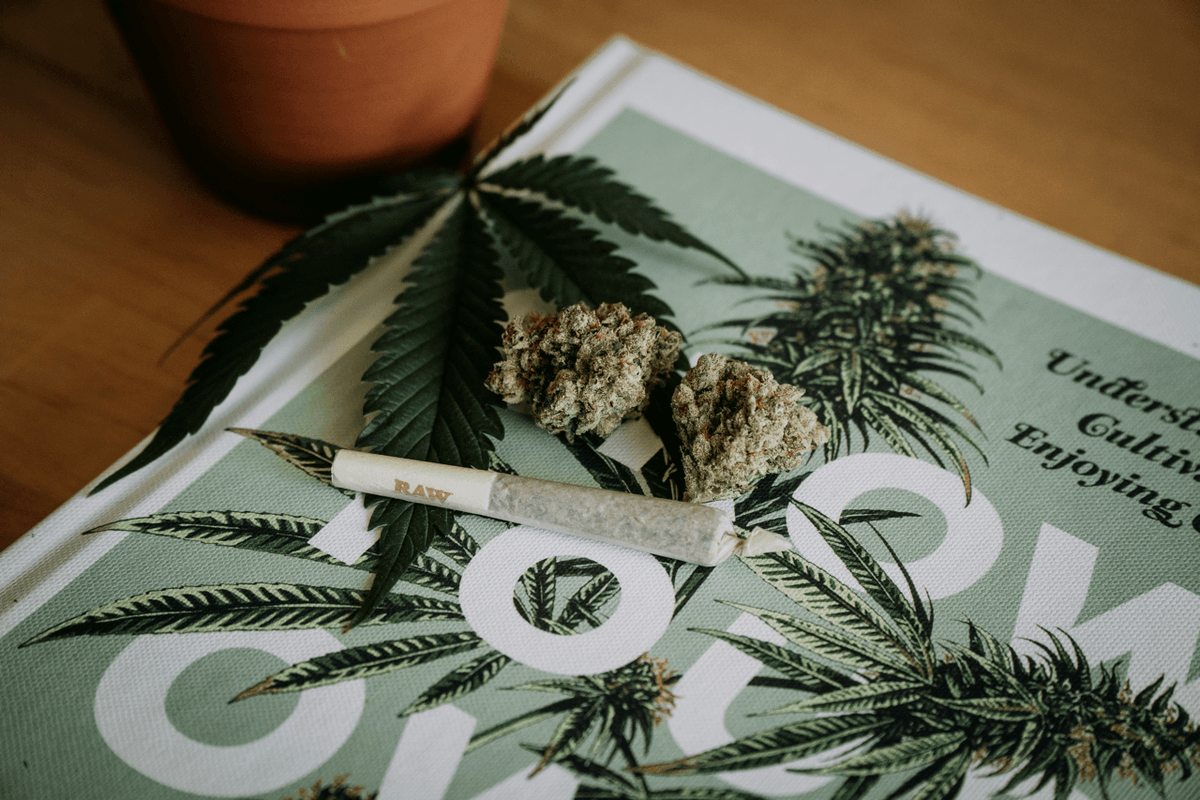
Photo by Richard T on Unsplash
How does Cannabis Sativa differ from Indica and Ruderalis?
Every cannabis strain has its own unique vibe – and if you're looking for clear, creative, and energetic highs, then Sativa is the strain for you. But what exactly makes it different?
- Sativa: A rather cerebral high, ideal for creative activities or social gatherings.
- Indica: Calming, body-focused effect – perfect for chilling or sleeping.
- Ruderalis: Hardly psychoactive, it is mostly used for medical purposes or as a hybrid partner.
What ingredients make Cannabis Sativa special?
Cannabinoids – The heart of the high
Cannabinoids are the chemical compounds in cannabis responsible for its effects. They interact with the body's endocannabinoid system, influencing mood, perception, appetite, and much more. While THC and CBD are the best-known examples, there are now a number of other exciting cannabinoids that are gaining increasing importance.
THC (Tetrahydrocannabinol) – The classic among cannabinoids
THC is the main active ingredient in Cannabis sativa and is responsible for the famous psychoactive high. It binds to the CB1 receptors in the brain and causes:
- Euphoria and an increased sense of well-being
- Boosts in creativity and improved focus
- Altered perception of space and time
- Increased appetite (Munchies effect)
- Relaxation on a physical and mental level
Sativa strains often contain high levels of THC, making them a perfect choice for creative activities or social gatherings. However, excessive doses can cause side effects such as paranoia or nervousness, especially in inexperienced users.
CBD (Cannabidiol) – The balancing counterpart
CBD is not psychoactive, but it has a number of positive effects that can complement or mitigate THC:
- Anti-inflammatory and pain-relieving
- Helps with anxiety disorders and stress reduction
- Can improve sleep quality
- Reduces side effects of THC such as paranoia or rapid heartbeat.
Many modern cannabis sativa strains now contain a mix of THC and CBD to achieve a more balanced effect.
New cannabinoids: HHC, 10-OH-HHC and PHC – The future of the high?
Besides THC and CBD, there are a number of new semi-synthetic cannabinoids that are currently causing a sensation. These new compounds offer effects that are sometimes similar, sometimes completely new, and are often even more legal than classic THC.
HHC (Hexahydrocannabinol) – The mild THC alternative
HHC is a semi-synthetic cannabinoid that is structurally related to THC, but has a slightly different effect:
- A gentler high than THC, but still noticeably psychoactive.
- Less intense and often described as "clearer".
- It can remain active in the body longer than THC.
- Legally, it's still a gray area in many countries.
Many users see HHC as a legal alternative to THC, as it is not explicitly prohibited in many countries.
10-OH-HHC – The stronger derivative of HHC
10-OH-HHC is a further development of HHC and is more potent because it is absorbed faster and more intensely by the body. Its effects are even more similar to those of THC, but with:
- Stronger psychoactive effect than regular HHC
- longer lasting high
- Possibly stronger physical effects
This makes it particularly interesting for experienced consumers looking for a legal THC alternative with a stronger effect.
PHC (Hydroxy-Propyl-Hexahydrocannabinol) – The new power cannabinoid
PHC is another new compound considered even more potent than THC or HHC. What's special about PHC:
- Extremely strong, euphoric effect , often described as an "extremely clear high".
- Very long duration of action , longer than classic THC
- Still poorly researched, but promising for medical applications
Due to its high potency, PHC is recommended more for experienced users who are already very familiar with cannabinoids.


Terpenes – More than just flavor
These small chemical compounds determine the smell, taste, and partly also the effect of cannabis.
- Lemons: Citrus-fresh scent, mood-lifting.
- Pinene: Pine-like, can improve concentration.
- Myrcene: Earthy-musky, often with a calming effect.
What are the medical effects of Cannabis sativa?
Cannabis has been used as a medicinal plant for centuries – and for good reason. Many studies show that Sativa strains can be particularly helpful in these cases:
- Depression & anxiety disorders: Sativa can have a mood-lifting effect.
- Chronic pain: THC can reduce the perception of pain.
- ADHD & Concentration Problems: Some users report increased focus through certain Sativa strains.
Is Cannabis Sativa legal?
Well, the tiresome question of legality. The answer? It depends on where you are.
- Germany: Medical cannabis is legal, recreational use will soon be (partially) permitted.
- Switzerland: Cannabis containing THC remains illegal, while CBD is freely available for purchase.
- Austria: Cannabis is illegal, but CBD products are allowed.
If you want to be on the safe side, always check the current laws in your country.
How is Cannabis Sativa grown?
Cannabis sativa is a true sun-lover and thrives in warm temperatures. Here are the basics:
- Outdoor: Needs plenty of sun and long growing seasons.
- Indoors: Here you can perfectly control the climate – but it costs more energy.
- Hydroponics: No soil is needed, only nutrient solutions. Extremely efficient, but also demanding.
What forms of consumption are there?
There are many ways to enjoy Cannabis Sativa. Each has its advantages and disadvantages:
- Smoking (joint, bong): The classic method. Fast effect, but not the healthiest.
- Vaporizers: Gentler on the lungs, more intense flavor.
- Edibles (cookies, brownies, etc.): The effect sets in later, but lasts longer.
- Oils & tinctures: Perfect for medical applications.

Photo from RDNE Stock project
What are the risks and side effects of Cannabis sativa?
Even though cannabis has many benefits, one should be aware of possible side effects:
- Short-term effects: dry mouth, red eyes, increased heart rate.
- Long-term effects: Possible psychological dependence, reduced cognitive abilities with excessive consumption.
- Psychological effects: High doses of THC can, in rare cases, trigger anxiety or paranoia.
Whether you're a casual user or an experienced connoisseur, Cannabis sativa has a lot to offer. The important thing is to consume responsibly and always find the right product for your needs. And if you're looking for high-quality, legal cannabis? Then check out Happyflower.io !





Share:
Edibles Recipe: The best instructions & tips for perfect cannabis treats
Cannabis Indica Effects - 7 Facts You Need to Know